Meet the team
An expert multi-disciplinary team enabling advanced translational innovation
Leadership
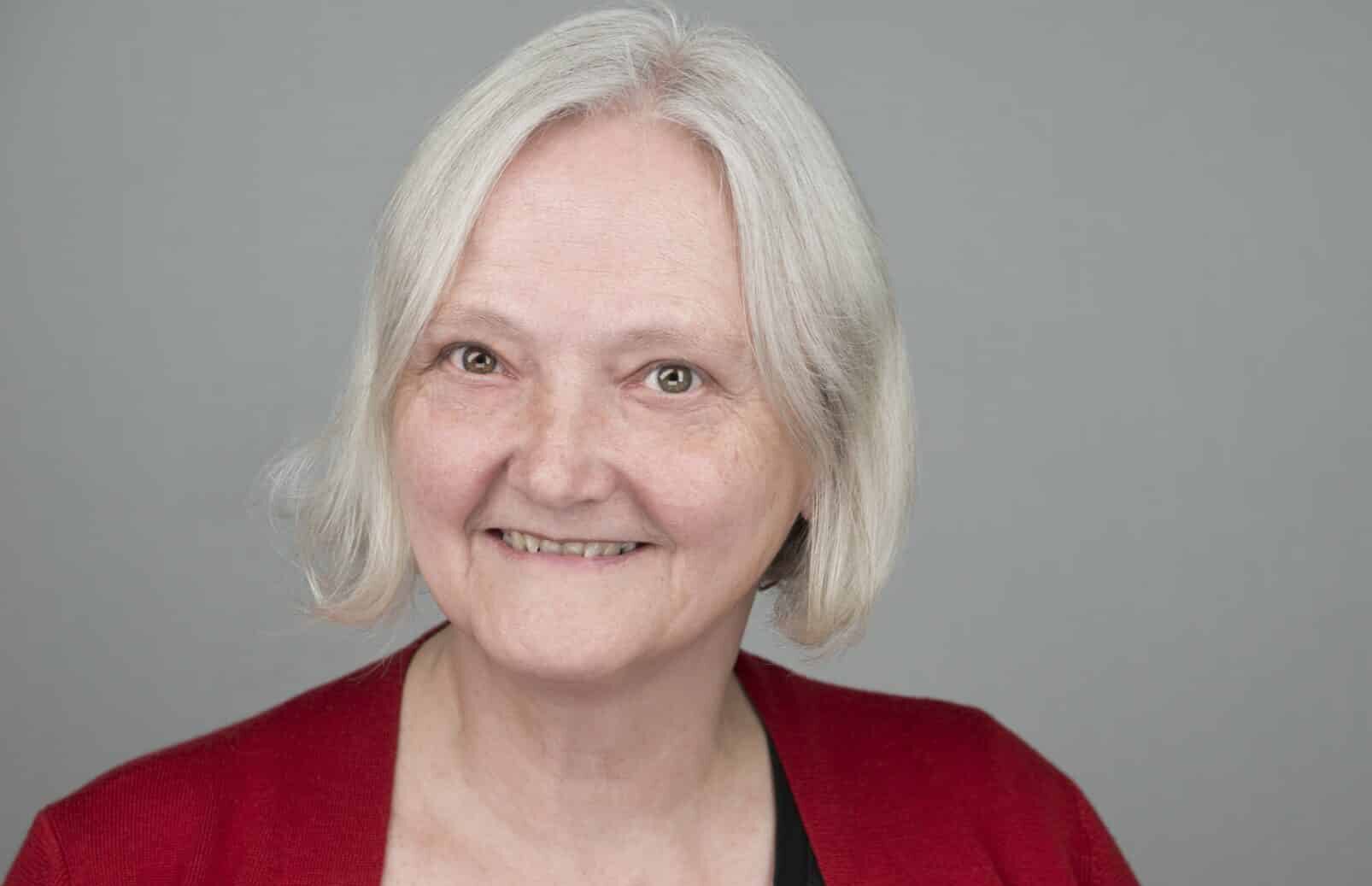
Professor Janet Hemingway
Director
View profile
Professor Janet Hemingway
Bio
Janet Hemingway started her career in genetics with a PhD from the London School of Hygiene and Tropical Medicine. After a spell as a lecturer in toxicology at the University of California Riverside she returned to the UK on a Medical Research Council fellowship and was then awarded one of the first of the Royal Society 10-year Junior Research Fellowships in 1985. Janet was head-hunted by the University of Cardiff in 1993 to oversee the research programmes of their preclinical and biological sciences, helping transform their activity. She was then head- hunted to become Director of Liverpool School of Tropical Medicine (LSTM) in 2001 and helpED to rapidly expand the School over the next 20 years, allowing it to gain independent Higher Education Institution status. In 2005 she split her role, 50% as Director of LSTM and 50% as the Founding Director of The Innovative Vector Control Consortium, a vector biology Product Development Partnership funded by an initial $50M award from the Bill and Melinda Gates Foundation. In 2020 she stepped down as Director of LSTM and established the iiCON Consortium an R&D partnership to help bring new drugs, vaccines and diagnostics for infectious disease to market more effectively. Alongside multiple academic accolades, including Fellow of the Royal Society in 2011, Life fellow of the Royal College of Physicians 2008 and International Fellow of the National Academy of Sciences USA (2010), she has numerous business and national awards including receiving a CBE in 2012 and recognised as Northern Business Leader of the Year in 2023.
Professor Hilary Ranson
Director of LITE
View profile
Professor Hilary Ranson
Bio
Hilary Ranson is a Professor in the Department of Vector Biology and Pro-Vice Chancellor for Research Culture and Integrity at Liverpool School of Tropical Medicine (LSTM). Following degrees from the University of York, London School of Hygiene and Tropical Medicine and Cardiff University, she moved to the USA to undertake a postdoctoral fellowship at the University of Notre Dame. Hilary first joined LSTM in 2001 as a Royal Society Dorothy Hodgkin Fellow and following a brief period at Imperial College London, returned to LSTM in 2007 and served as Head of the Department of Vector Biology from 2010-2019.
Hilary has supported the work of the World Health Organisation, serving as a technical advisor and member of the Vector Control Advisory Group (2017-2023), and the Product Development Partnership Innovative Vector Control Consortium as a member of the External Scientific Advisory Committee (2014-2018). She established a contract research team, LITE, to provide a professional service to screen new vector control products against insecticide resistant populations of mosquitoes. In 2022 LITE became a founding member of a new LSTM spinout, iiDiagnostics.
Having witnessed the pervasive inequities that impact career pathways in global health, Hilary pivoted to lead LSTM’s work to strengthen research culture and is motivated by supporting the careers of others, tackling power imbalances and ensuring fair recognition for the diverse contributions of all across the research ecosystem.
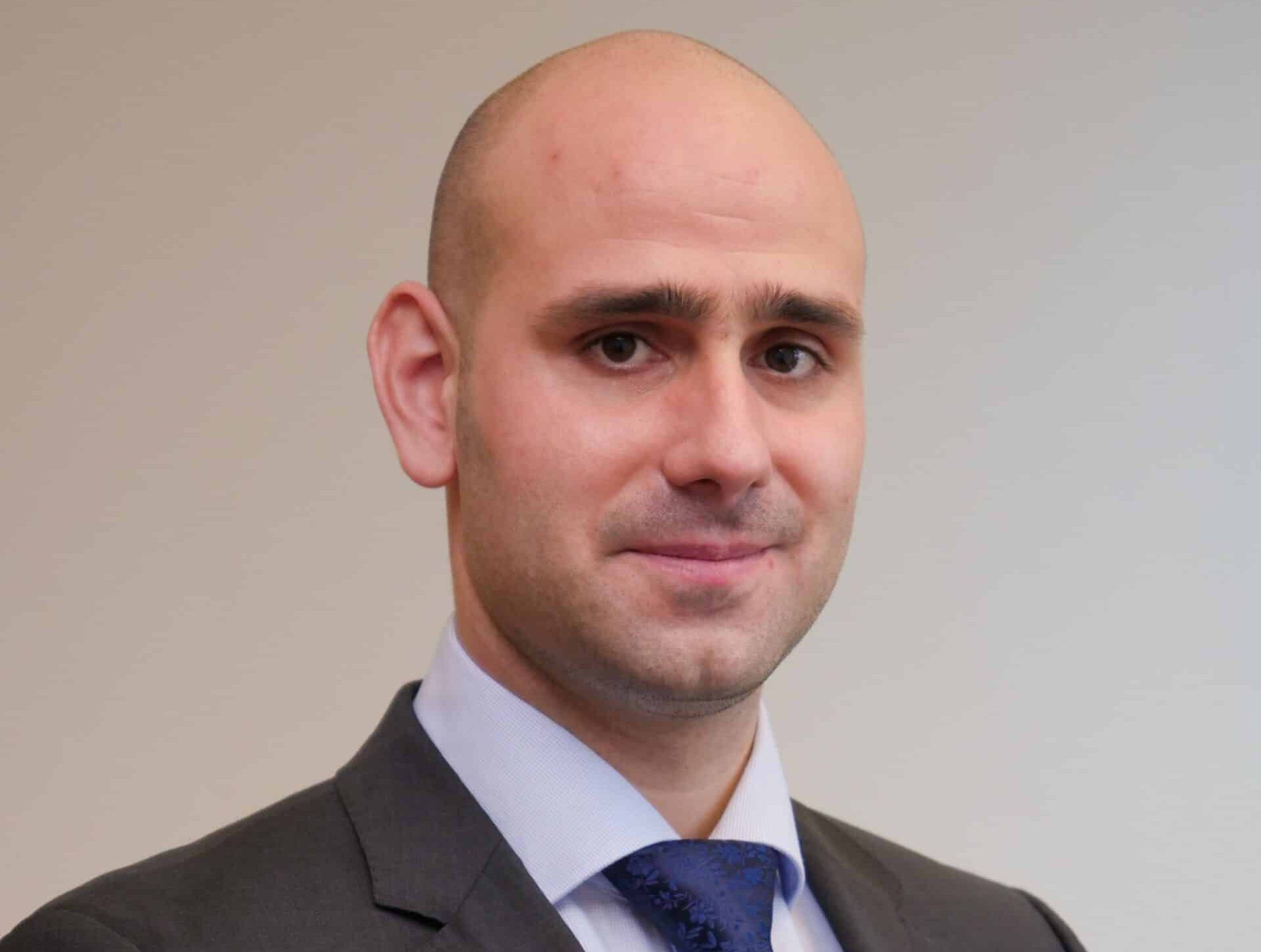
Professor Patryk Kot
Head of iiTECH
View profile
Professor Patryk Kot
Bio
Professor Patryk Kot, one of the youngest professors in the UK, is a global expert in sensor technology and joins iiCON as Senior Business Development Manager.
His career experience as Deputy Director of the Built Environment and Sustainable Technologies (BEST) Research Institute, and Professor of Microwave Sensor Technologies at Liverpool John Moores University includes leading a multidisciplinary research team in the design and development of bespoke microwave sensors for global challenges. His research team has developed microwave sensors for applications such as biohazards detection (DASA), healthcare applications (SBRI and UKRI), cultural heritage (Horizon 2020) and chemical process enhancement (Horizon 2020 FTI) with a total external funding award of over £25 million.
This experience includes working on a number of key projects through iiCON funded by the Bill and Melinda Gates Foundation (BMGF) to explore the adaption of the fundamental concept of microwave spectroscopy for the detection of insecticide on walls for quality assurance of Governmental Indoor Residual Spraying programmes in low- and middle-income countries (India and Africa) to prevent vector borne diseases. The developed prototype was manufactured in 2023 and the success of this project led to further external funding of £1.3 million from BMGF to explore the fundamental concept of microwave spectroscopy being applied as a wearable technology for the detection of Lymphatic filariasis in humans.
In his new role, Professor Kot will be a key part of an expert team that will specify and design new Category 3 AI Robotic laboratories for iiCON, believed to be the UK’s first. The high containment laboratories will be capable of handling deadly pathogens and be fitted out with leading-edge robotics and AI technology.
His expertise in sensors will support the development of new products in the iiCON portfolio, helping to commercialise industry innovations. He will also lead on the development of new partnerships, providing expertise and guidance on the best routes to market for the innovative products iiCON has developed to date.
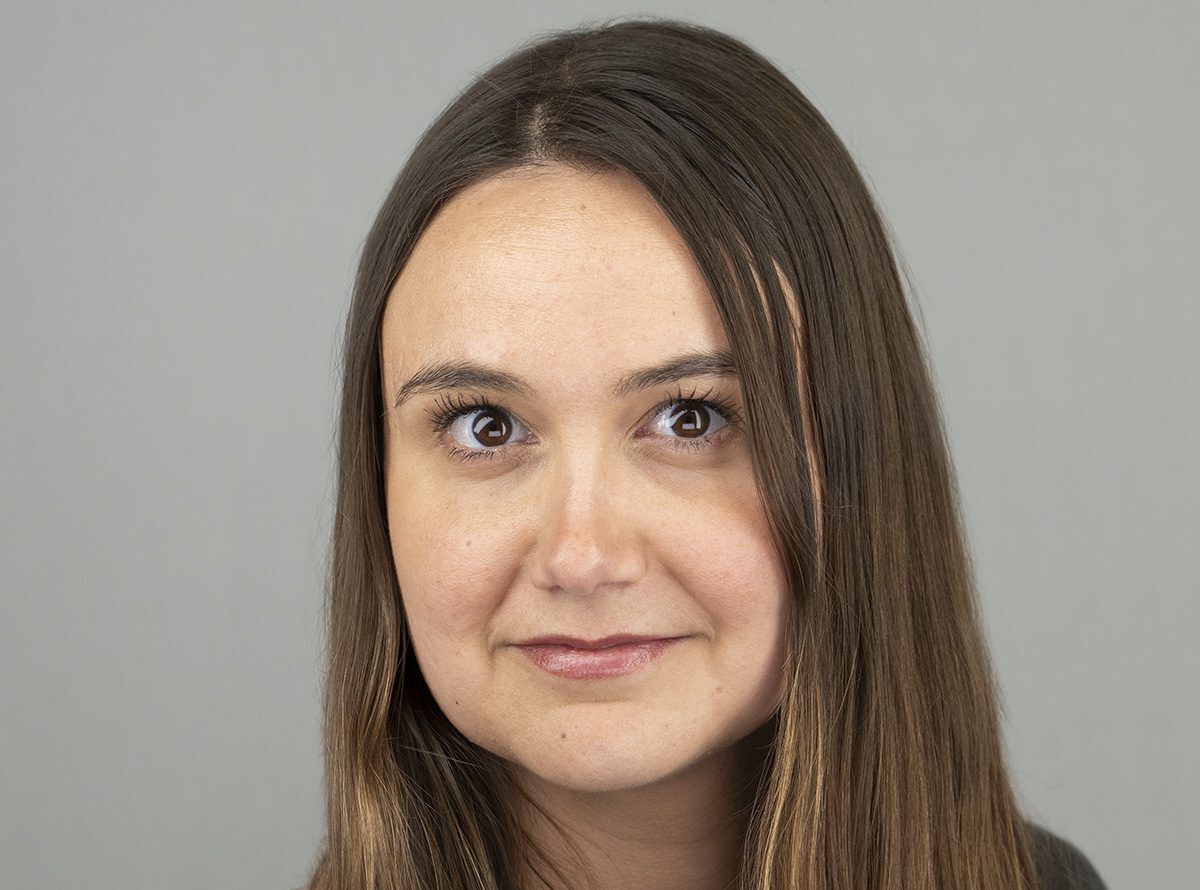
Dr Ana Isabel Cubas-Atienzar
Head of Molecular Diagnostics
View profile
Dr Ana Isabel Cubas-Atienzar
Bio
Ana joined LSTM in 2019, she leads a team which focuses on the development and evaluation of novel diagnostics for emerging viral infections and outbreak prone infectious diseases such as COVID-19, Mpox, Crimean Congo Haemorrhagic Fever (CCHF) and Rift Valley Fever (RVF).
Ana played a substantial role in the UK COVID-19 pandemic response including the leadership of the FIND-WHO diagnostic evaluations where her team recruited over 2000 participants in diagnostic trials. She is currently involved in the evaluation of Mpox diagnostics under the FIND-WHO pandemic threats umbrella, the evaluation of novel diagnostics for TB and in the development of point-of-care tests for CCHF and RVF following successful funds from MRC and LifeArc.
She is one of the Diagnostics leads within the Research Centre for Drugs and Diagnostics (RCDD) at LSTM and sits on the Scientific Advisory Group of the Liverpool Pandemic Institute.